
Research on environmental impact of big-budget filming at Ivinghoe Beacon
If you were one of the many Star Wars fans who caught sight of the film crews descending on Ivinghoe Beacon for the filming of The Rise of Skywalker then an Open University research academic wants to hear from you.
Dr Rebecca Harrison works in the OU’s Film and Media department and is conducting a study called the “Environmental Impact of Filmmaking (EIF)” using Star Wars, its film props and locations as the theme.
The Senior Lecturer in Film and Media wants people to take part in an online survey to help her investigate the very real environmental impacts of location shoots on nature and communities.
She points out that the effects on flora and fauna can be huge so the aim of her research is to find ways to help with making the film industry more sustainable.
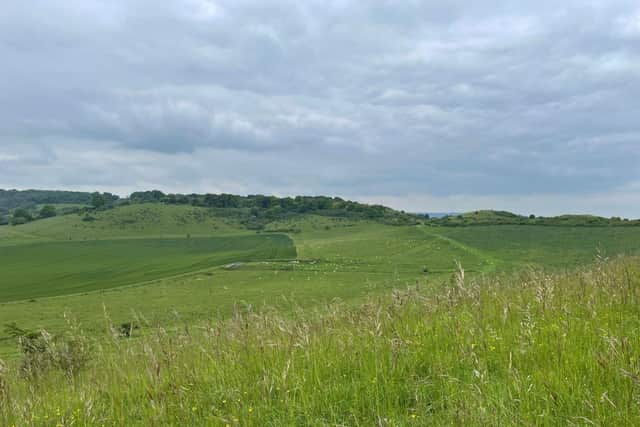

She says: “I want to know what wildlife is disrupted when cameras and catering trucks move in. How people feel when roads are closed, or recreational sites are closed off, and why the advantages of location shoots are always promoted in economic terms.
“I want to look beyond the headlines to understand how film shoots might become more environmentally friendly for plants, animals, and people in future.”
Filming of the movie took place at Ivinghoe Beacon in 2018 and the series was released the following year. If anyone has experience of the Star Wars shoot, from local residents to councillors, filmmakers, or anyone affected by site closures, then Dr Harrison would like to hear from you.
She says other interested groups might include bird watchers, business owners, dog walkers, or teenagers who currently use, or used, a site to get away from the prying eyes of adults.
She added: “However you’re connected to Ivinghoe Beacon, there’s a short, 5-minute version of the survey with multiple-choice questions, or a longer one for people with more to say.”
The Beacon is just one of 14 sites that Dr Harrison is visiting throughout the UK’s four nations and she will be discovering the differences between how they appear today – complete with wildlife, human visitors, litter and traffic – and how they appeared in the film.
Official figures from the British Film Industry say that in 2023, £4.23 billion was spent in the UK by film and high-end television production companies.
Dr Harrison said: “It’s clear that there are economic advantages to allowing location shoots – but we need to make sure they’re managed in a way that suits local communities and protects the habitats of our increasingly endangered wildlife.”
According to the State of Nature Report 2023, produced through a collaboration of more than 60 partners, there has been no let-up in the decline of the UK’s wildlife.
If you want to know more about Dr Harrison’s project visit eifproject.com Get Involved: Join the EIF Movement and click on the “get involved” button.