
First NHS patients now receiving life-saving medicine made from Bedfordshire donors' blood plasma
Patients from all around the country are now receiving a life-saving medicine made from the plasma of blood donors in Bedfordshire.
This historic milestone marks the first time in a quarter of a century plasma is being used to make life-saving medicines for NHS patients – reducing reliance on imports.
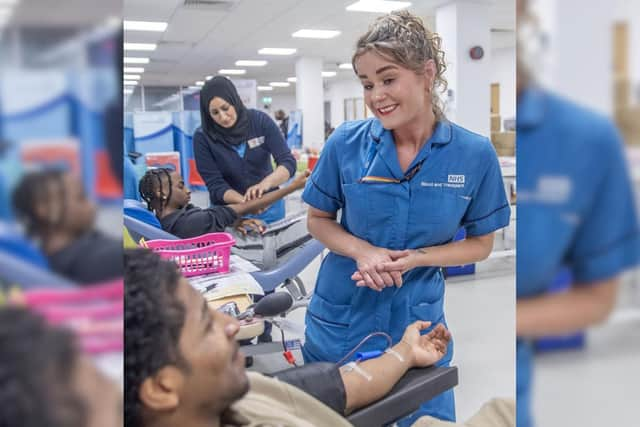

And these life-saving medicines can only be made from the plasma in human blood. Plasma makes up 55% of our blood and contains antibodies which strengthen or stabilise the immune system.
Over the past three years, plasma from blood donors in Bedfordshire was stored up, and it has now been made into medicines through a weeks long manufacturing process. The first patients are now receiving the medicines.
The most important medicine is immunoglobulin – and in Bedfordshire, more than a 100 people receive immunoglobulin each year.
Over the past two years, blood donors in Bedfordshire have provided around 5,000 litres of plasma in total, enough to make around 2,000 bottles of immunoglobulin, and enough to save or improve around 50 lives a year.
The news is important because there is a global shortage of plasma medicines. The NHS has previously relied solely on imported plasma medicines which can be hit by reductions in supply and prices spikes.