
Call to keep Sandy Heath Transmitter on air to ‘keep Bedfordshire safe’
A new report is calling for the Sandy Heath Transmitter to remain on air until at least 2044, to avoid risks of cyber attacks, power cuts and major national emergencies.
The 244m transmitter, which serves more than a million households across Bedfordshire and the East of England, is at risk of being taken off air under a proposal to turn off aerial TV in 2034.
But a report from the National Preparedness Commission warns the loss of Freeview will leave the UK vulnerable in emergency situations and calls for an extension to at least 2044.
The report explains the UK's network of more than 1,450 TV and radio transmission sites as critical infrastructure that can continue broadcasting when internet-based communications fail. It cites incidents including the Iberian Peninsula blackout, when much of Spain and Portugal lost power and internet capabilities, as evidence of the growing risks facing modern communications networks.
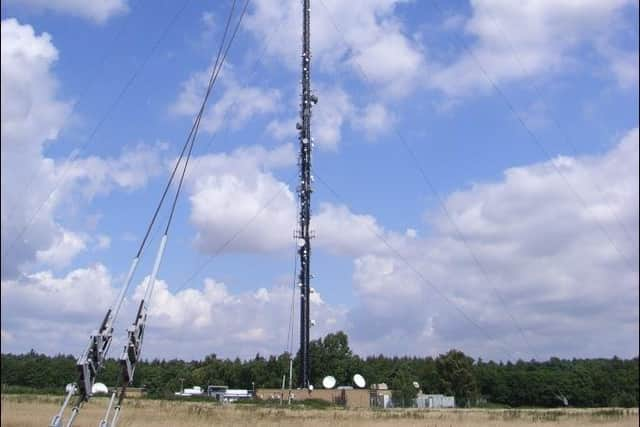

According to the report, transmitters such as Sandy Heath form part of a network reaching 98.5 per cent of UK households. Unlike streaming services, terrestrial broadcasting can continue delivering information during major power or network outages.
The report concludes keeping transmitters such as Sandy Heath on air until at least 2044 could help keep the public informed when cyber attacks, storms or power failures knock out internet and phone services.
Mark Steele, chief operations officer at Arqiva, which operates the UK’s broadcast network, said: “The debate amongst government and broadcasters has focused too heavily on changing viewing habits and streaming services while overlooking the role transmitters such as Sandy Heath play in national resilience – keeping the UK public safe and informed in the event of an emergency.
“The key question is not simply how people will watch television in the future, but what communications capabilities the country will need when internet-based systems are unavailable.”
Lord Toby Harris, chair of National Preparedness Commission, said: “The question for government is much more than how people will watch television in future, but how the country will communicate when internet-based systems fail. The UK’s tall tower network is a sovereign, resilient asset that reaches almost every household and supports radio, emergency services and critical infrastructure. Protecting terrestrial broadcasting until at least 2044 would preserve a vital, independent route for trusted public information when it is needed most.”