
'Just go and have a look': Memoir of LBO reporter who was first journalist at scene of Great Train Robbery
On the anniversary of the Great Train Robbery, we’re sharing the memoir of former LBO journalist Dennis Aris – the first reporter at the scene on August 8, 1963.
This memoir was written by former LBO reporter, Denis Aris, who died at the age of 76 in April 2020.
Half a century ago Monday morning was always a rush as publication date was Tuesday, which is why we initially ignored one of the biggest stories to ever happen on our doorstep.
We were three inexperienced teenage lads, a chief reporter only slightly older and an ageing editor seeing out time until retirement, hardly a crack team to take on the might of the national press as the story of the Great Train Robbery broke.
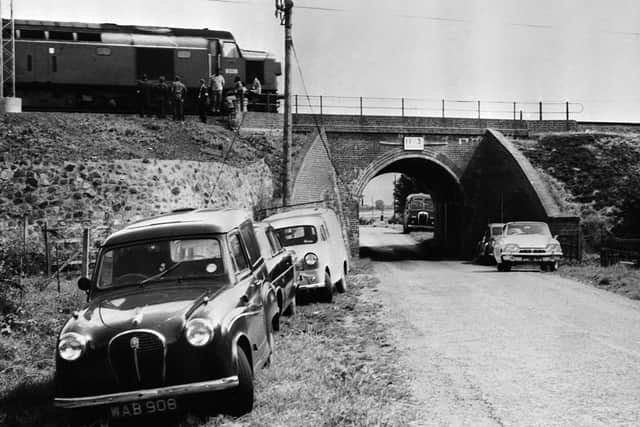

When a phone call came in saying: “There’s a train stopped out between Linslade and Chedddington, ” there was a distinct lack of interest.
I just carried on reducing the Tottenhoe correspondent’s village flower show report from two A4 sheets to a more acceptable 100 words while worrying about how I was going to raise the deposit for a motorbike; Geoff South muttered: “Damn diesels, always breaking down, ” and continued refining his Leighton cricket club match report; while John Flewin was also head down over the last minute minutia of WI reports and church fetes which the good readers would expect to have before them on the breakfast table next morning.
Chief reporter Anne Hammond was checking pages while editor Dougal Stuart MacReath was finishing his leader and calculating how long it would be until the bar of the Liberal Club opened.
The second call about a stationary train also raised little interest, but when a third caller added that there were: “a lot of police round it, ” John Flewin’s ears pricked up, as he was always keen on earning a bob or two on the side by flogging paragraphs to the London evening papers. As Anne was busy and he was the only other one of us with a car, John was delegated to “just go and have a look.”
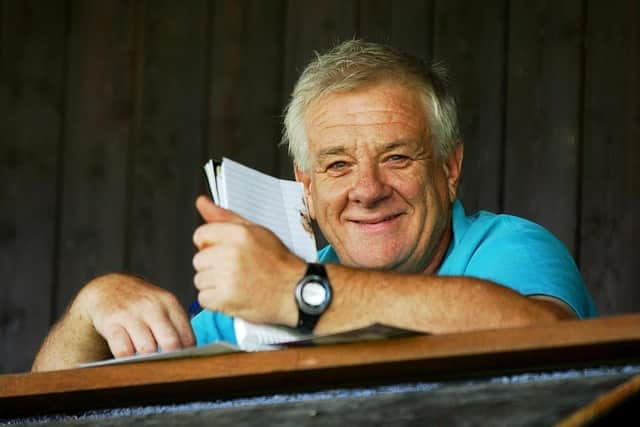
From there on our quiet little backwater office became a madhouse. Half an hour later I was on my way to the scene with Tom our photographer, a former Liverpool Echo veteran whose experiences in that city had resulted in him having a curious anti-theft device on his ancient car which meant it would only start if the ashtray was pulled out and turned upside-down.
As we chugged into Cheddington, police were just escorting the battered and shocked train driver away from the station. Minutes later the power of the national press even in those days was shown when an express train made an unscheduled stop at the station and a flock of reporters tumbled out, many having already made good use of the bar on the 30-minute trip from Euston.
Over the next few months we lads learned a great deal about journalism as the story rumbled on through the capture of many of the gang and preliminary court hearings in little Linslade court room.
Surprisingly, having almost missed the greatest story of the age our combined report looked every bit as good on the front page as those of the nationals next morning.