
One in five flood defences in Central Bedfordshire below required standard this winter
A fifth of flood defences in Central Bedfordshire are below the required standard, almost two years after the area experienced devastating flooding incidents, new research warns.
Nearly 8,500 flood protection facilities across England fall below the mark expected, exclusive figures obtained by the BBC Shared Data Unit show.
About 6,500 of those below condition are considered ‘high-consequence’, which are meant to protect multiple homes or businesses.
Of Central Bedfordshire’s 69 flood defences, the survey reveals 25 are ‘high-consequence’, with 14 below the required condition, four of which were ‘high-consequence’.
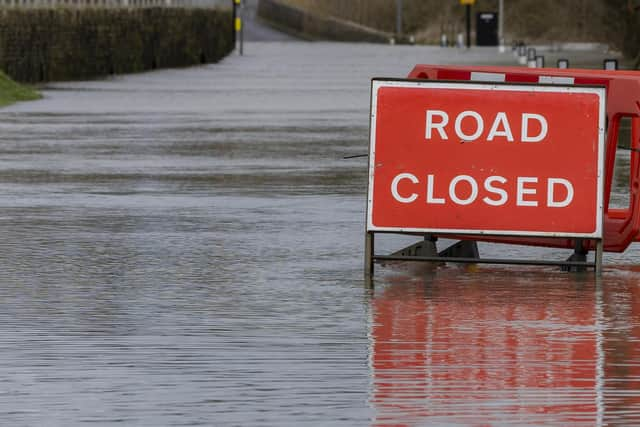

Altogether in the district, 20 per cent of all defences and 16 per cent of high-consequence defences were below the accepted standard.
The Department for the Environment, Farming and Rural Affairs (Defra) said the situation has improved since the same time last year, after record levels of investment. But stark disparities remain at local authority level.
Flooding in January and September last year in Central Bedfordshire cost the council more than £1.1m, which included paying contractors to make highways safe again and for emergency accommodation.
A Central Bedfordshire Council spokesman explained: “Flood risk management in Central Bedfordshire is a partnership effort with the Environment Agency, internal drainage boards, water companies and other stakeholders.
“The council is largely responsible for smaller watercourses, such as streams, ditches, drains, culverts and pipes, as well as local highways drainage. The Environment Agency manages main rivers and high-consequence flood defences.
“Some local flood defences are maintained by internal drainage boards, but formal structural defences are recorded and monitored by the Environment Agency in its asset information management system.”
The data shows the scale of the challenge facing the government’s repair efforts, despite ministers pledging £2.65bn over two years to build and restore more than 1,000 flood defences across England.
An Environment Agency spokesman said: “Protecting communities in England from the devastating impact of flooding is a top priority.
“This is more important than ever, as climate change brings more extreme weather. Each year, we complete up to 165,000 inspections of flood assets across the country.
“We’ve redirected £108m into repairs and maintenance recently. This will help to ensure the strongest protection for nearby communities.
“If the performance of an asset is reduced, immediate action is taken to ensure the flood risk continues to be effectively managed until that asset is fully repaired or replaced.”
Floods Minister Emma Hardy told MPs in April that 3,000 of the Environment Agency’s 38,000 high-consequence assets were in the “poorest condition on record” after “years of under-investment”.
The agency’s target is for just two per cent of its high-consequence defences to be below target condition. The current figure is near nine per cent.
A flood defence is any asset providing protection from rivers, sea or standing water, added the agency. This includes both man-made and natural defences.
Traditional flood defences, such as flood walls and embankments, confine water to river channels to prevent it spilling out in particularly vulnerable areas of towns and cities.
Most flood defences in England are classed as fluvial defences. This refers to a structure or system designed to protect areas from flooding caused by rivers and streams.