
Almost 100 acres of farmland near Leighton Buzzard to be transformed into wildlife habitats
Hedgerows removed during years of intensive farming are to be reinstated at Old Linslade as part of a 30-year nature restoration project.
The scheme, led by biodiversity company Naturum, will see approximately 95 acres of intensively farmed land at Old Linslade turned into wildflower-rich grassland, a traditional orchard and areas of scrub.
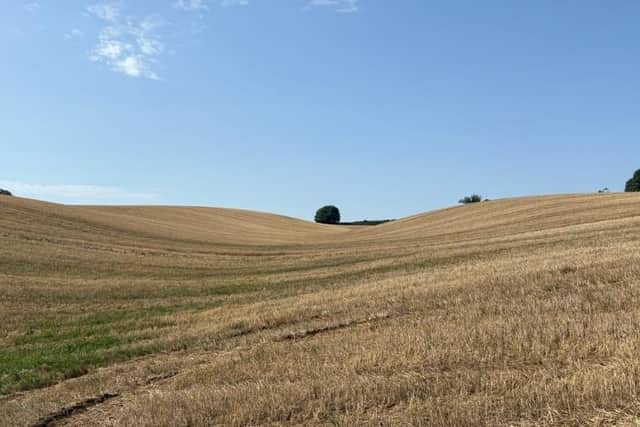

Anthony Binnie, co-founder of Naturum, said: "For centuries this land was a patchwork of small fields and hedgerows. Today, those hedgerows have all gone, and with them much of the wildlife that relied on them.
"Over the next 30 years, these fields will become wildflower grassland, scrub and orchard, giving skylarks, lapwings, bats and butterflies like the brown hairstreak the food and shelter they need to thrive here again."
The site, which straddles the boundary between Central Bedfordshire and Buckinghamshire, overlooks Old Linslade's 11th-century church and lies beside the River Ouzel water meadows, close to Rushmere Country Park.
According to Naturum, years of intensive farming have resulted in the removal of hedgerows that once divided the land into smaller fields, while the soils have lost nutrients, leaving the land low yielding.
The company says the restoration is intended to create a wildlife corridor linking habitats associated with seven designated wildlife sites within 2km of the land, including two Sites of Special Scientific Interest.
The restored habitats are expected to provide food and shelter for wildlife including badgers, grass snakes, common frogs and brown long-eared bats.
Grassland will be managed to support ground-nesting birds such as skylarks and lapwings, while specially selected seed mixes will provide food for declining butterflies and moths, including the brown hairstreak butterfly and cinnabar moth.
The land will be managed by a local contractor from a farming family with more than 50 years' experience of working land in the area.
Educational information boards will be installed along the public footpath crossing the western side of the site, with residents encouraged to visit and record wildlife sightings.
Wildlife surveys will be carried out twice a year to monitor changes to the habitats, including the arrival of any new or rare species.
Mr Binnie added: "Old Linslade is a special place, with its historic church and the Ouzel water meadows on its doorstep. We want families, walkers and schoolchildren to come and watch the land change through the seasons and feel proud of what's happening on the edge of their town."