
Opinion: Fly tipping fightback is on
Fly-tipping is unfair. It looks terrible.
A dumped mattress by the side of the road, an abandoned fridge in a lay-by, or piles of construction waste in a farmer’s field: the fight back against fly-tippers is officially on.
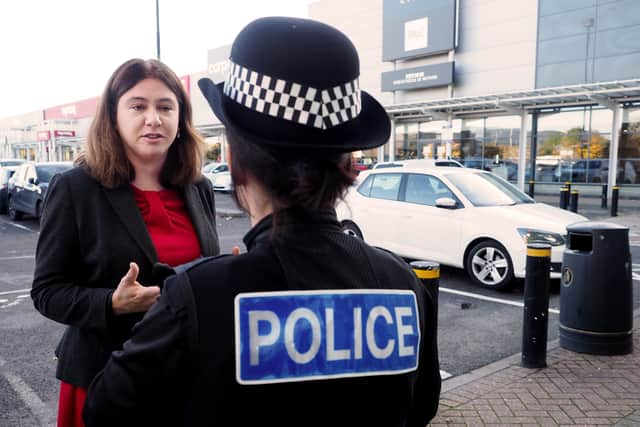

Fly-tipping is unfair. It looks terrible. The rubbish can be hazardous to health, is damaging to the environment and dangerous for our wildlife. Shockingly, taxpayers foot a clean-up bill of around £1 billion year.
In Leighton Buzzard, and the surrounding areas, residents are rightly frustrated when shared spaces are treated with such little respect.
That is why this Labour Government is taking stronger action through the new Crime and Policing Act which I recently voted for.
Under new laws, people caught fly-tipping could face having their driving licence suspended. That is a serious consequence, designed to act as a real deterrent
It forms part of the Government’s Waste Crime Action Plan, which aims to crack down on organised waste criminals, and support cleaner, safer communities.
Increased enforcement activity is being backed by an additional £45m government investment over the next three years.
We also want to educate offenders on the harms that fly-tipping causes.
Those charged with the crime will have to litter pick streets and parks for free. Convicted fly-tippers will also be forced to pay to clean up illegal waste sites.
We'll also use tech to make a difference - the Environment Agency is creating a new Operational Waste Intelligence and Analysis Unit to hunt down criminals via aerial surveillance, while also tracking their financial data.
Meanwhile, a mandatory digital waste tracking system will become compulsory for receiving waste sites this autumn 2026. This will improve transparency and make the detection of illegal activity easier.
There is also an important role for us all to play. To check that anyone removing waste has the proper licence to do so. If the price seems too good to be true - that’s probably the case. It’s rubbish handed over cheaply to an unlicensed operator that most often ends up dumped.
Most people take pride in where they live. They want clean streets, a protected countryside and public spaces that feel safe and welcoming. Tackling fly-tipping is part of delivering that.