
Ambulance Service (EEAST) moves to highest alert level over winter pressure
The East of England Ambulance Service has moved to the highest escalation alert level (REAP) in response to high demand across Bedfordshire and Hemel Hempstead this week.
Similar action has also been taken by other ambulance services nationwide which are also experiencing increased pressure.
New figures show EEAST took almost 24,000 emergency 999 calls from the public in the week ending November 30 – an increase of nearly 3,000 calls on the previous week.
That number continued to increase last week with more than 24,400 calls received.
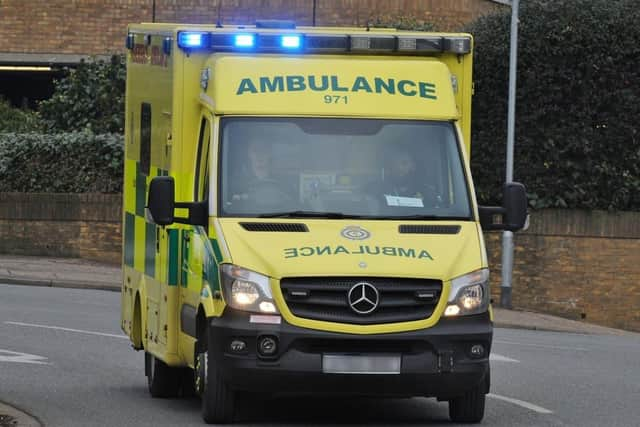

Patient handover delays at hospitals have also increased significantly, as hospitals have faced increased pressure due to rises in respiratory and viral illnesses, such as flu.
Neil Moloney, Chief Executive of EEAST, said: "There is an extraordinary level of pressure on the health system nationally, and we have made the decision to move to REAP 4 – the highest escalation level.
"We have seen a huge spike in demand, driven by an increase in respiratory illness, which means many hospitals are at capacity and our ambulance resources are stretched as a result.
"I urge the public to think carefully before using 999. If you have a medical emergency, we will get to you, but there may be a delay.
"During periods of high demand, patients with immediately life-threatening conditions are our priority. Those with less serious conditions will experience delays and may be referred to other NHS services or given self-care advice. We apologise to anyone affected by these delays."
Extreme pressure on the ambulance service has led to an increase in response times, so patients are waiting longer for an ambulance. By moving to REAP Level 4, EEAST can implement additional measures such as deploying all available clinicians to frontline duties.
The public can play a vital role by:
> Using NHS 111 – If your condition isn’t an emergency, call NHS 111 or visit 111.nhs.uk.
> Stay well this winter – Get your flu and COVID-19 vaccinations, keep warm, eat well, stay active, and practice good hygiene.
> Be prepared – Keep basic medicines at home and ensure prescriptions are up to date.
> Look after your mental health – Stay connected, get daylight, and seek support if you’re struggling.
Where it is clinically safe to do so, patients who call 999 may be advised to make their own way to hospital, freeing up ambulances to attend to the most seriously unwell patients.