
Watch: Seven adorable cheetah cubs born at Whipsnade Zoo
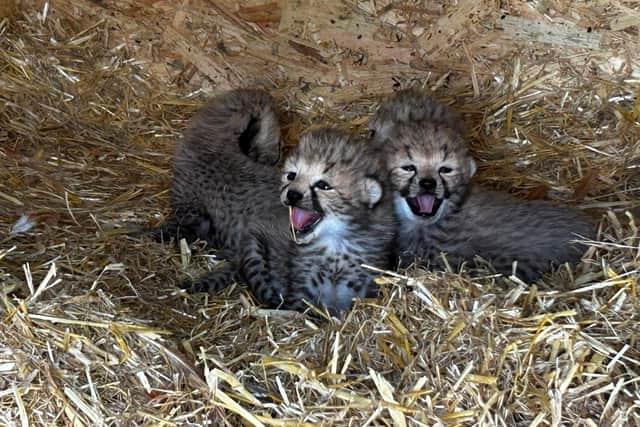
Seven spotty cheetah cubs have been born at Whipsnade Zoo marking a huge boost to the international conservation breeding programme for their endangered sub species.
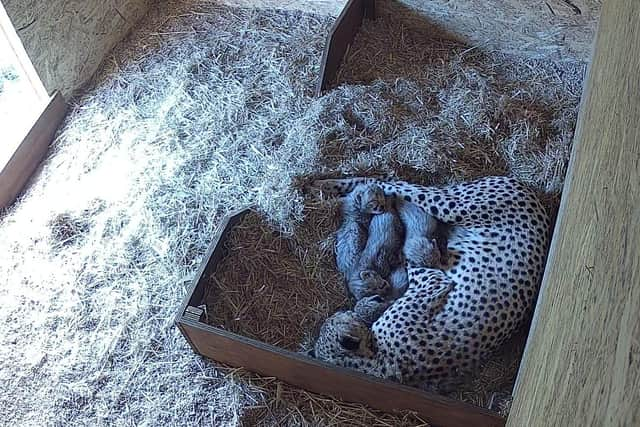
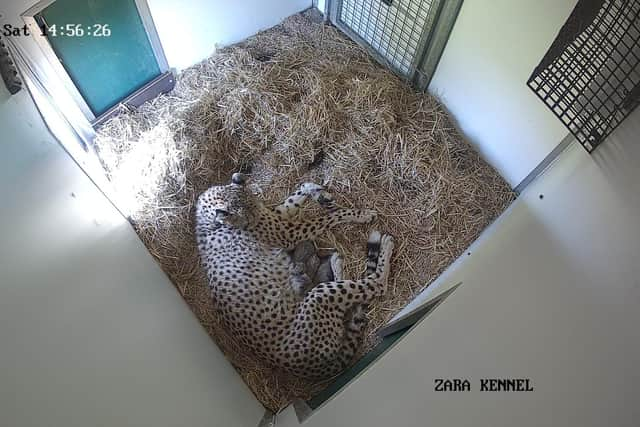
First-time mum Amira gave birth to four cubs on May 18, followed by her sister Zara, who delivered a litter of three just five days later.

The five-year-old sisters arrived at the conservation zoo late last year, with the hope that they would both breed.
Sarah McGregor, section manager of the predators team at Whipsnade Zoo, said: “We’re absolutely delighted to have seven healthy cheetah cubs at the Zoo. Amira and Zara have taken to motherhood wonderfully, and we’ve seen them nuzzling, cleaning, and feeding their cubs diligently over our CCTV cameras.
“It’s been 15 years since cheetah cubs were last born at Whipsnade, so these seven new additions are really something special. They’re not only so important for the conservation breeding programme, but represent a continuation of a long history of successfully breeding cheetahs at Whipsnade Zoo, in an incredibly special year for us.”
The seven cubs have been born in the same year ZSL, the charity which runs Whipsnade Zoo, turns 200 years old.
Whipsnade Zoo was the first zoo in the world to breed and successfully rear cheetahs, when three cubs were born in 1967 named Jason, Jasmine and Jacarana.
Since then, more than 100 cubs have been born at the UK’s largest Zoo, enabling Whipsnade Zoo to provide hugely valuable information to those working around the world to protect them. From veterinary expertise to insights into their mating behaviour and nutrition, Whipsnade Zoo has been able to share crucial information on the species with zoos, wildlife researchers and conservationists in the field.
This year, ZSL scientists hope to reintroduce cheetahs to Zambia’s Luangwa Valley, in partnership with the Zambian Government and several conservation NGOs. Since 2024, ZSL scientists have been working to enhance wildlife security in the region, including the hiring and training of rangers, and providing tangible support for local communities living in there, to help them develop sustainable livelihoods that ensure they benefit from the return of cheetahs to their landscape.
“It’s really significant to have these cubs in the year that ZSL, celebrates its 200th birthday," added Sarah. “A sign of our continued efforts to conserve threatened species and create a world where wildlife can thrive.”
“With the inspiring work happening in the field by ZSL conservationists, these cheetah cubs will be so important for educating our visitors on the work we are doing in their natural ranges, and what they can do to support that pioneering conservation.”
Whipsnade Zoo’s vets and keepers have been remotely monitoring both mums and their cubs, allowing them to settle in and establish an important bond. The seven are yet to be named, with the keepers unable to confirm their sexes until their first health check at around eight weeks old.
“While the cubs won’t be visible to visitors just yet, we’ll share lots of CCTV footage and updates, and can’t wait for everyone to see them once they’re ready to explore the outside world,” said Sarah.
Find out more by visiting whipsnade.org.