
Pioneering breast cancer clinic opens in Milton Keynes
A ground-breaking breast cancer treatment programme, funded by Cancer Research UK, that could potentially save thousands of lives has opened in the Milton Keynes University Hospital NHS Trust.
Patients who join the Personalised Breast Cancer Programme (PBCP), which was pioneered at Addenbrooke's Hospital in Cambridge, have their DNA read like a barcode, with the whole genome of their tumour sequenced and the results returned to inform treatment planning.
The news means now more people are set to benefit from personalised treatment, as the ground-breaking breast cancer study is expanded. Patient recruitment started in June. The Milton Keynes Hospital is the seventh site to be opened nationally following on from the implementation of the programme in Cambridge, Ipswich, Colchester, Norwich, Oxford and Great Yarmouth.
So far, nearly 1,800 patients have been enrolled in the study. Results are returned within six to 12 weeks, enabling patients to have a more precise and personalised cancer treatment.
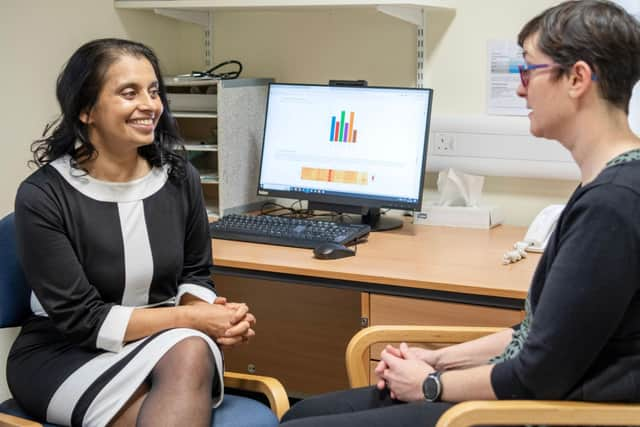

For many, results have confirmed they were receiving the best treatment available for their disease, whilst over a third have had a change in clinical management.
Professor Jean Abraham, who leads the PBCP from Cambridge University Hospitals NHS Foundation Trust, explained that for every patient on the programme DNA and RNA readouts from their tumour cells are compared with those of their healthy cells to study which genetic mistakes are causing the disease, and which weaknesses could be targeted with cancer drugs.
Miss Jennifer Isherwood, Consultant Oncoplastic Breast Surgeon at Milton Keynes University Hospital NHS Trust, is overseeing the study. She said: I am over the moon to offer our patients the opportunity to be part of this exciting study. Genome sequencing will allow us to offer more personalised care for patients helping guide treatments decisions and risk profiling. This is the future of cancer treatment and our team here at Milton Keynes University Hospital is honoured to be part of this at such as early stage. "
Every year, around 8,700 women* are diagnosed with breast cancer in the South East, whilst around 1,600 women in the region die from the disease. **
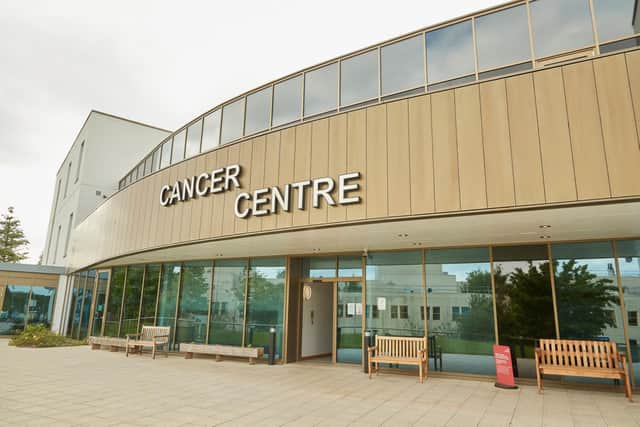
Professor Abraham, Oncology Consultant at Cambridge University Hospitals NHS Foundation Trust and Professor of Precision Cancer Medicine at the University of Cambridge said:“The beauty of this sequencing project is we get the data faster and can act on it. The benefits are various and depend on the stage of the cancer. If it’s at an advanced stage, the genetic information we get from the whole genome might push us towards a different treatment or you might find a specific mutation that means the patient could take part in a certain clinical trial. Some tumours have clustered regions of excessive amounts of mutations. These tumours are said to be hypermutated. Hypermutations are thought to respond better to immunotherapy and so we can push for an immunotherapy trial. Ultimately, these findings can help direct clinicians to using more novel and targeted drugs that have the best chance of helping individual patients.
Professor Abraham, who is based at Cancer Research UK's Cambridge Centre, added: “A lot of patients won’t see their treatment plan change, but it might offer hope and faster access to the most appropriate treatment if there’s a relapse. Having the genetic information of the tumour will give us a better idea of what to do should a patient relapse. It becomes an armoury of knowledge, and it could reveal weakness we can target. That can be very reassuring to patients. In addition, establishing an individual doesn’t carry any high-risk hereditary genes is a relief to both the patient and their family.”
Beccy Sleigh, 43, from near Newmarket, was diagnosed with breast cancer in June 2017. She took part in the PBCP at Addenbrooke’s Hospital in Cambridge and her results ensured she received the best possible treatment, helping her get clear of the cancer in six months.
Beccy said: “I found out through the PBCP that my cancer was linked to a faulty BRCA1 gene. The treatment I received focused on certain aspects of my diagnosis that were specific to me – this is massively important."
Thirty years ago, Cancer Research UK scientists were at the forefront of the discovery of the BRCA genes. This landmark breakthrough is revolutionising how BRCA-driven cancers are treated through trials like the PBCP – helping to save and improve the lives of more people like Beccy
Beccy added: "Knowing where my cancer came from can help members of my family in future, whilst it also means I can make informed decisions about my future. I decided to have my ovaries and tubes removed because of the increased risk and not wanting to go through potential treatment again. Without us taking part in these trials, we wouldn’t have all this knowledge to improve cancer survival rates.”
The pilot phase of the PBCP began in November 2016. It was a collaboration between Cancer Research UK and Addenbrooke’s Charitable Trust, with over 250 patients from the Addenbrooke’s Breast Unit taking part and becoming the first NHS breast cancer patients to have whole genome sequencing of their tumour as part of their routine treatment in a clinically impactful timeframe. A further £1 million of funding from Cancer Research UK, plus more from The Mark Foundation for Cancer Research, was announced in 2018 to enrol a further 2,000 patients.
Professor Abraham and her precision breast cancer research team will move into Cambridge Cancer Research Hospital (CCRH) when the new specialist hospital for the East of England opens on the Cambridge Biomedical Campus. The new hospital will change the story of cancer, breaking down barriers between the laboratory and clinic, and enabling patients to benefit from the latest innovations in cancer science.
Beccy added:“Having research and hospital space all under one roof is just brilliant. People can get answers sooner, the clinical trials will happen quicker and ultimately patients like me will be in the best place to receive the best care possible.”
For more information go to www.cambridgecancer.org.uk.